Child therapy Integrative therapy Valencia · Puzol · Online Ages 5–21

Licensed psychologist no. CV18694 · Sessions in Spanish and English

Your child does not have
the tools
yet.

When afternoons end in conflict and nothing you try works consistently, it does not mean you are doing it wrong. It means your child may need more than love alone can provide.

"The first session is not about working. It is about helping your child feel comfortable."

1h one-hour sessions
+50 families supported
ES/EN bilingual sessions
Cristina Mata · Child Psychologist
Child & adolescent psychology.
Therapy, assessments and diagnostic orientation.
Integrative therapy · Ages 5–21.
Online sessions · In-person in Valencia and Puzol.
Parental guidance included in the process.

You are trying
with everything you have.
And still, it is not working.

Tick the phrases you recognize in your daily life.

"Taking your child to therapy is not admitting you have failed. It is exactly what a mother does when she wants the best for her child."

Families who come to therapy do not come because they have done something wrong. They come because they have realized there is something their child needs that love alone, without the right tools, cannot provide. That takes a lot of courage.

Cristina Mata · Child Psychologist

What you tried
was not wrong.
It just did not reach the root.

Rewards, consequences, conversations, parenting books. All of that makes sense. But if your child’s behavior keeps coming back again and again, you are probably not failing: you are working on the surface of something with deeper roots.

Difficult emotions Family connection Real tools
Madre e hijo en conversación
What you tried

Managing behavior in the moment

Rewards, consequences, time-outs. They can work sometimes · but only in that moment. The pattern returns because it does not address what lies underneath.

  • It can calm the moment.
  • But the behavior comes back.
  • It does not change what causes it.
Niño explorando y jugando
Where it starts

Understanding what is behind it

Behavior is the tip of the iceberg. Underneath there is often an emotion the child cannot yet name or regulate because they do not yet have the tools.

  • Which emotion activates it.
  • Why they cannot manage it yet.
  • Which pattern has become established.
Warm and safe therapeutic space
The difference

Working with a method adapted to your child

An integrative therapy approach adapts the work to the child’s developmental stage · through play, metaphors, and activities. Parents are part of the process too.

  • Tools they understand and use.
  • At their pace and age.
  • With parental guidance included.

"Knowing your child needs to regulate their emotions is not the same as being able to teach them how."

Teaching a child to manage their emotions requires a method adapted to their development, their way of processing the world, and the family context around them. Not because parents are not enough · but because this is exactly what child psychology exists for: giving your child the tools that love alone cannot build.

Two ways to support your child, depending on what they need now.

Not every child needs the same thing. Some need to understand what is happening inside and learn tools. Others first need a clear assessment to understand what is behind their school, emotional, or neuropsychological difficulties.

Child therapy

For children and young people who need emotional tools.

Child psychology sessions with an integrative CBT approach, adapted to the child's age, their way of expressing themselves, and the family dynamic. The goal is not to 'fix' your child, but to help them understand what they feel and give them tools to regulate better.

  • Anxiety, fears, emotional blocks or school avoidance.
  • Intense tantrums, anger outbursts or disruptive behavior.
  • Social skills and peer relationship difficulties.
  • Emotional regulation, frustration tolerance and self-esteem.
  • Family changes, separations or persistent sadness.
  • Parental guidance so you know how to support them at home.

Ideal when you can already see something is going on, but you need concrete tools.

Ask about child therapy
Psychological assessments

For families who need clarity, diagnosis and a plan.

A complete psychological assessment helps you stop guessing. It explores how your child learns, pays attention, processes information, manages emotions and what support they may need at home and at school.

  • Psychological assessments and diagnostic orientation.
  • Specific learning disorders: reading, writing, maths and school performance.
  • Attention difficulties, ADHD, ASD, executive functions or impulsivity.
  • Emotional, behavioral or social difficulties that need a clearer explanation.
  • Clear, actionable report to guide the family and the school.

Ideal when you need objective answers before deciding the next step.

Ask about assessments

What you may start noticing week by week.

Every child has their own pace. Even so, many families begin to notice changes first in safety, then in emotional expression, and over time in everyday family life.

Weeks 1-2
Trust 1/4
  • Your child begins to feel safe in the space.
  • We can observe what activates their reactions.
  • The family understands the starting point better.
Weeks 3-6
Tools 2/4
  • They begin to put words to what they feel.
  • They learn simple strategies to regulate themselves.
  • Parents receive clearer guidance for home.
Weeks 7-12
Family life 3/4
  • Crises may become less intense or shorter.
  • Your child begins to ask for help before exploding.
  • Home and school can become better aligned if needed.
3-6 months
Autonomy 4/4
  • More resources to manage difficult emotions.
  • More confidence, self-esteem, and sense of control.
  • The family relationship can start to feel lighter again.

These timeframes are indicative. Progress depends on the child's age, the reason for consultation, family involvement, and what is happening in their environment.

How the assessment process
works.

Start
1

Initial consultation

The process begins with a clinical interview to explore the main concerns, relevant background and current functioning. For children and adolescents, this typically involves parents or caregivers, while for adults the focus is placed on the individual’s own experience.

2

Individualised assessment planning

Based on the initial information, the assessment is tailored to the individual’s needs. Appropriate standardized tests, questionnaires and clinical tools are selected to explore cognitive, emotional, behavioural or developmental aspects.

3

Assessment process

The assessment is conducted over several sessions, at a pace that allows for accurate and meaningful results, ensuring the person feels comfortable throughout the process.

4

Clinical integration and diagnosis

All the information gathered is carefully integrated to identify patterns, understand underlying difficulties and, when appropriate, establish a clear and well-founded diagnosis.

Report
5

Feedback and report

A feedback session is provided to explain the findings in a clear and accessible way, answer any questions and offer guidance on the next steps. A detailed written report is also included.

What the assessment includes

  • Clinical interview and individualised assessment planning
  • Standardized tests, questionnaires and clinical tools
  • Emotional, behavioural, developmental and learning profile exploration
  • Diagnosis when clinically appropriate
  • Clear feedback session with guidance on next steps
  • Detailed written report included
  • Online or in-person in Valencia and Puzol · sessions in Spanish or English
5–21 years old · age range I work with
2 months first goal review with the family

Comprehensive assessments for children, adolescents and adults to better understand emotional, cognitive and behavioural difficulties, and provide clear diagnoses when needed.

Mothers who
came in
feeling like you.

They arrived exhausted, feeling they had tried everything without results. What they say most after the first few weeks is not that their child changed overnight · it is that, for the first time, they understood what was happening. And that changes everything.

"

My 8-year-old son had been anxious about school for months. I had spoken to the tutor, the counselor… nothing. In three months with Cristina, something changed that I did not know how to name: he started talking about what he felt. For the first time, I understood him.

A. M. Pablo’s mother, age 8
"

My daughter’s outbursts were becoming more and more frequent. I felt completely without tools. What surprised me most is that Cristina also helped me respond differently. It was work for both of us · and it shows.

L. G. Sofía’s mother, age 10
"

We were expats with a seven-year-old struggling to adapt to the Spanish school system. Cristina was the only therapist we found who could work fully in English. The change in our daughter over just a few months was remarkable · and real.

S. R. Mother of Emma, 7 years old · English-speaking family

Real testimonials with initials and minimal details to preserve confidentiality.

Cristina Mata · Child Psychologist

Cristina Mata

The psychologist who
already understands your child.

You do not need to explain what it feels like to raise a child with emotional difficulties, what it means when the school calls, or the mix of love and exhaustion that appears at the end of the day. I understand it, and I know what may be behind it.

I work with children and young people aged 5–21 who struggle to manage emotions, freeze in the face of frustration, suffer at school or cannot yet put words to what they feel. My approach uses clear, evidence-informed tools adapted to each developmental stage · always with parents included in the process.

I offer sessions in Spanish and English, allowing English-speaking families to work without losing any therapeutic · or emotional · nuance.

Approach A clear, warm and evidence-informed therapeutic process, adapted to each child’s developmental stage.
Languages Sessions in Spanish and English · therapy in the child’s language, without losing emotional nuance.
Format In-person sessions in Valencia and Puzol + online sessions. Coordination with schools and other professionals when needed.

What you may be telling yourself right now.

"If I take my child to a psychologist, they will think they are crazy."

Children perceive exactly what adults transmit to them. If you approach it calmly, your child will experience it as a space to talk about important things · not as a stigma.

"It is just a phase. It will pass on its own."

Some behaviors do pass. But emotional patterns that are not worked on tend to become consolidated. The earlier we address them, the easier · and faster · they are to change.

"I should be able to help my child on my own. I am their mother."

Love has no limits · resources do. Seeking specialized help does not replace you as a mother: it makes you an even more active part of your child’s change process.

"I do not know how long it will last or how much it will cost."

We talk about it in the first session with complete transparency. Child therapy processes usually last between 6 and 18 months, with reviews every two months. And the first step does not commit you to anything.

A calm space
where your child
can feel safe.

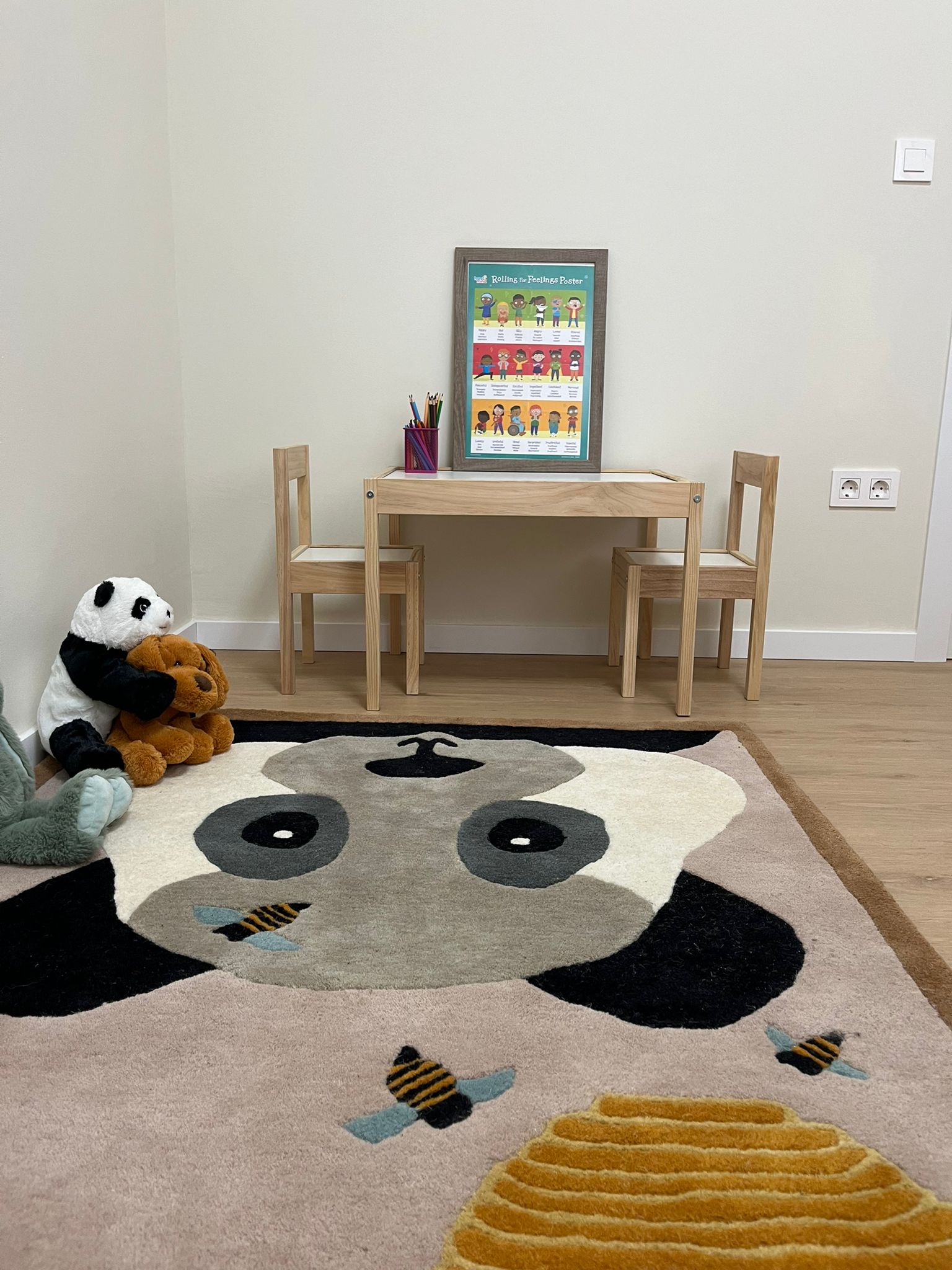
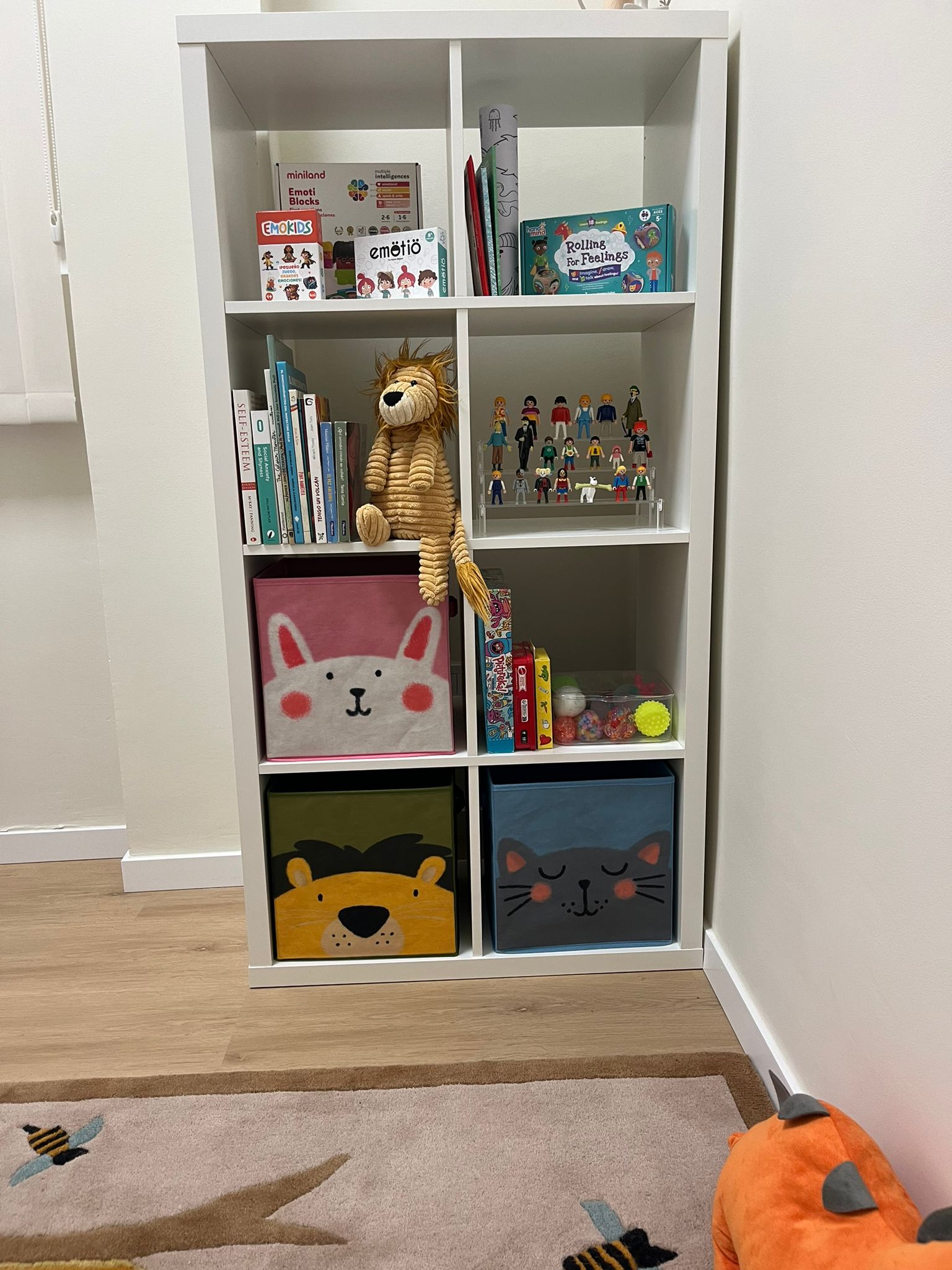
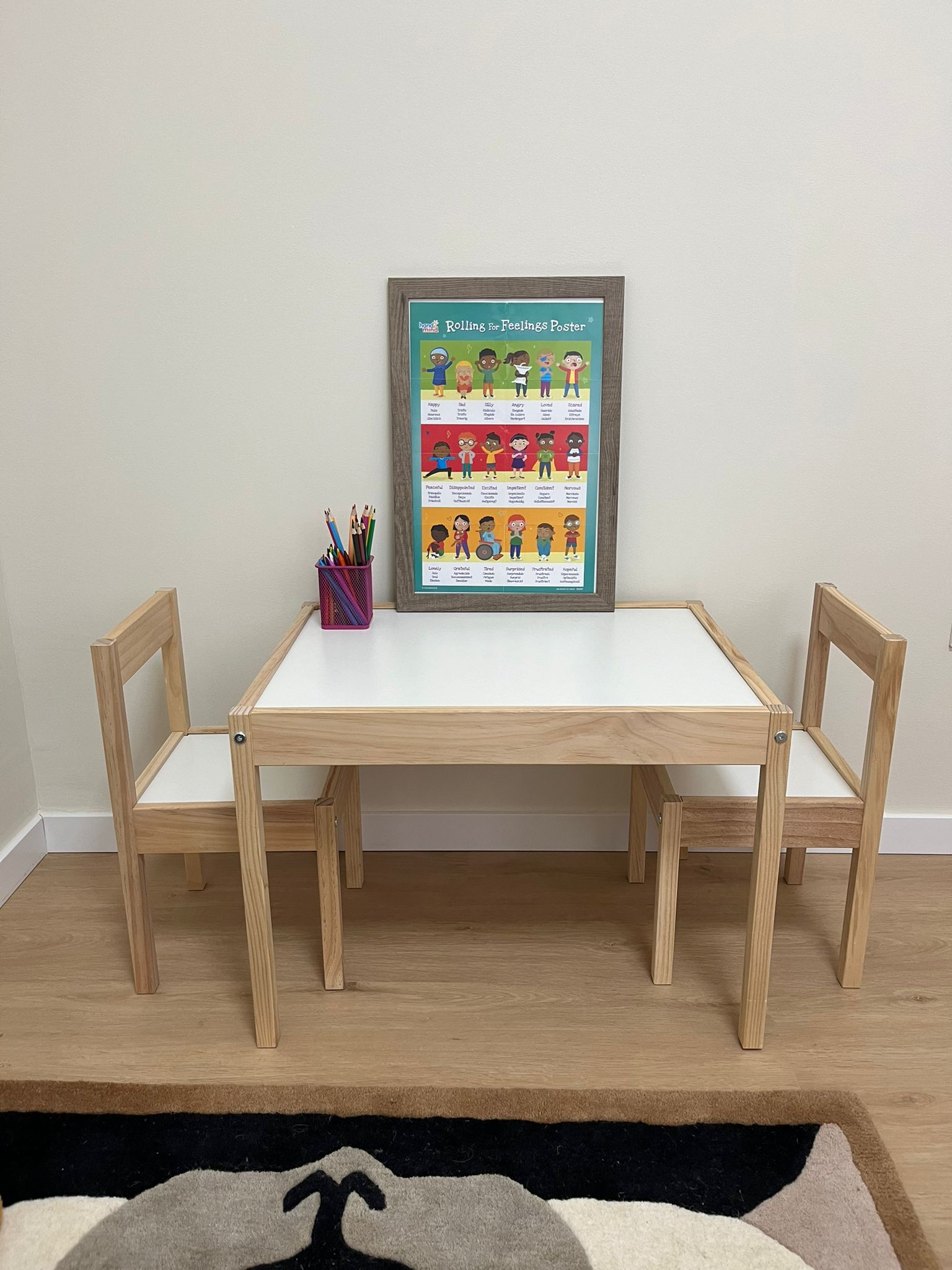
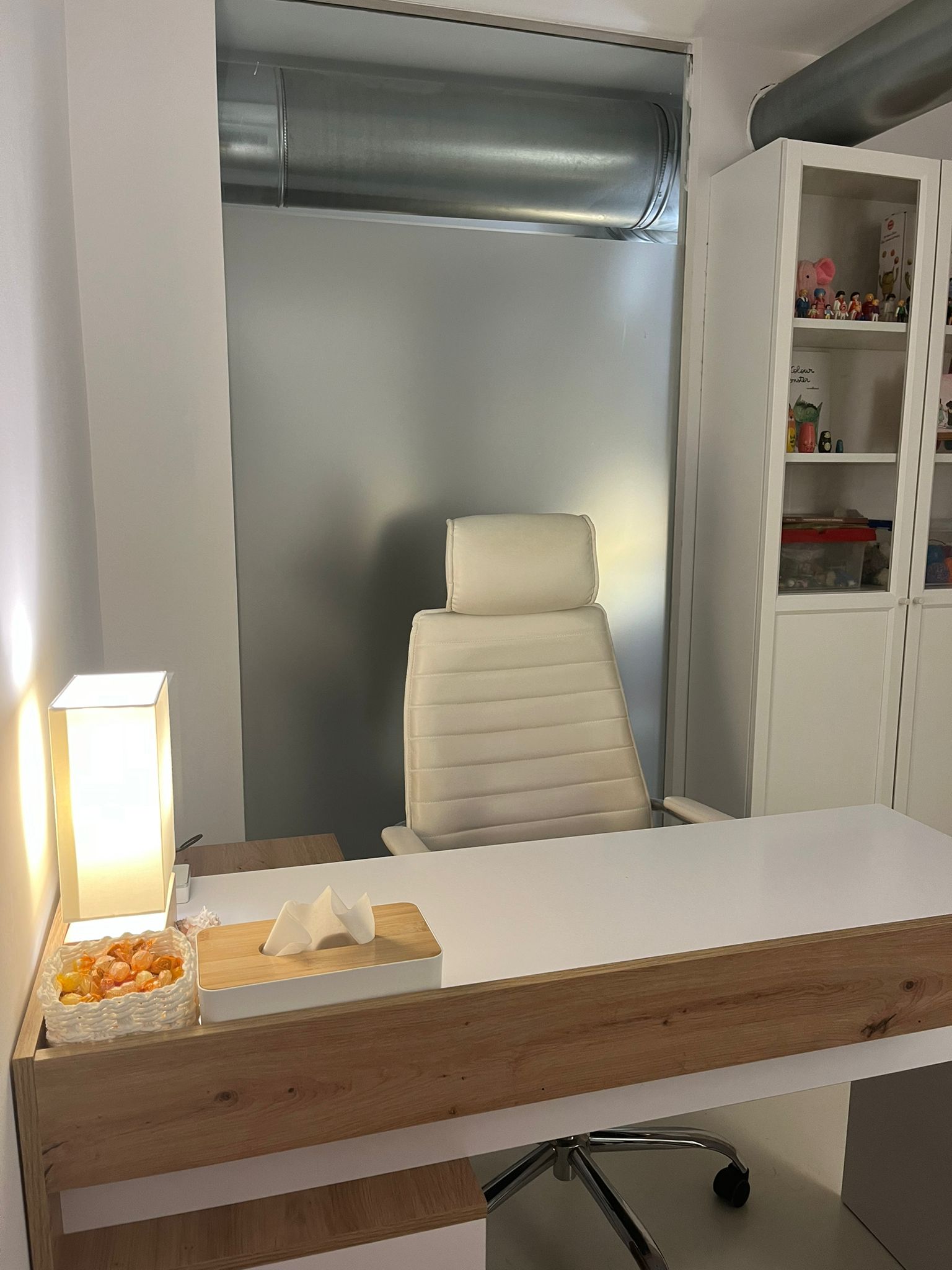
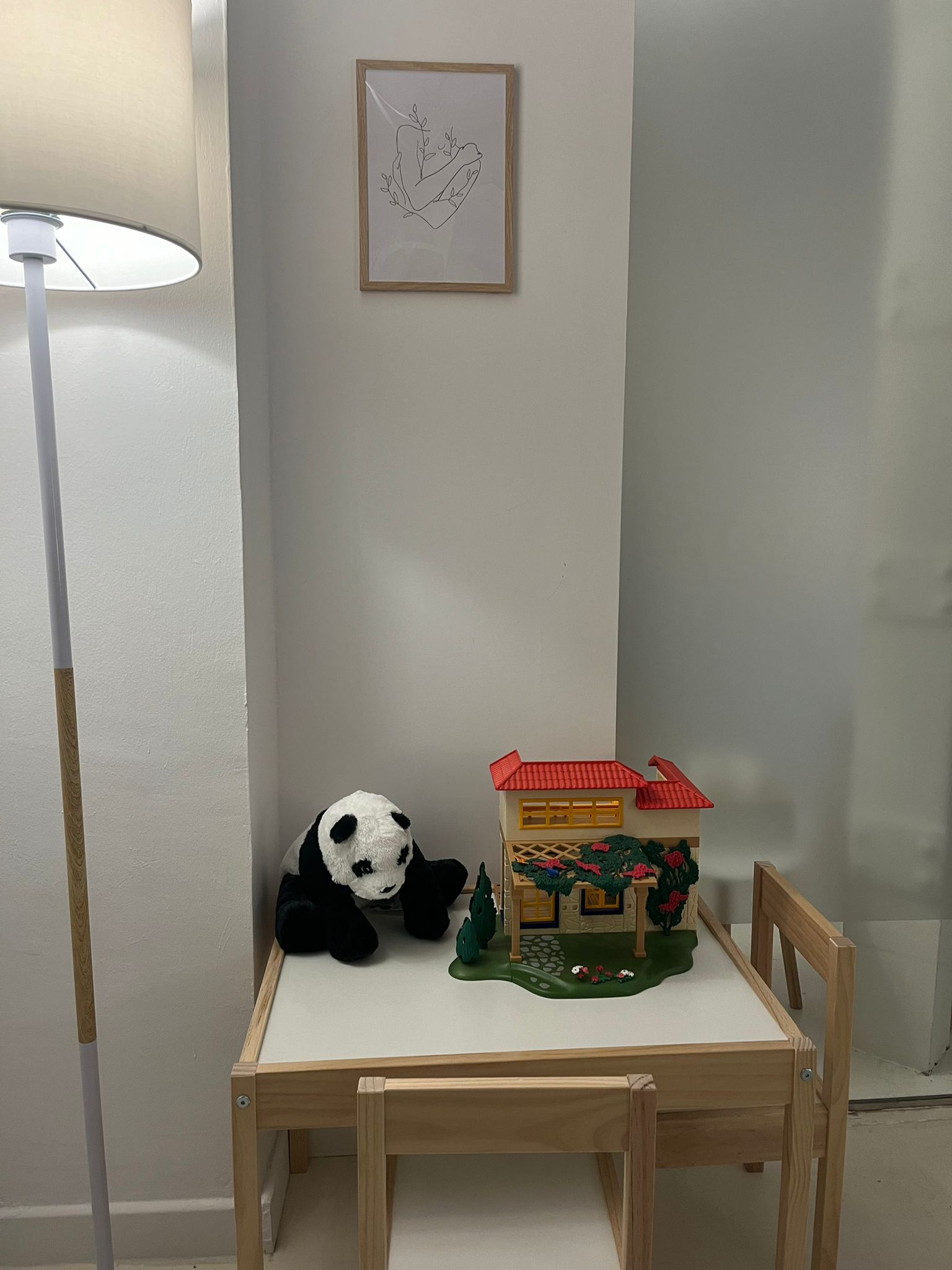
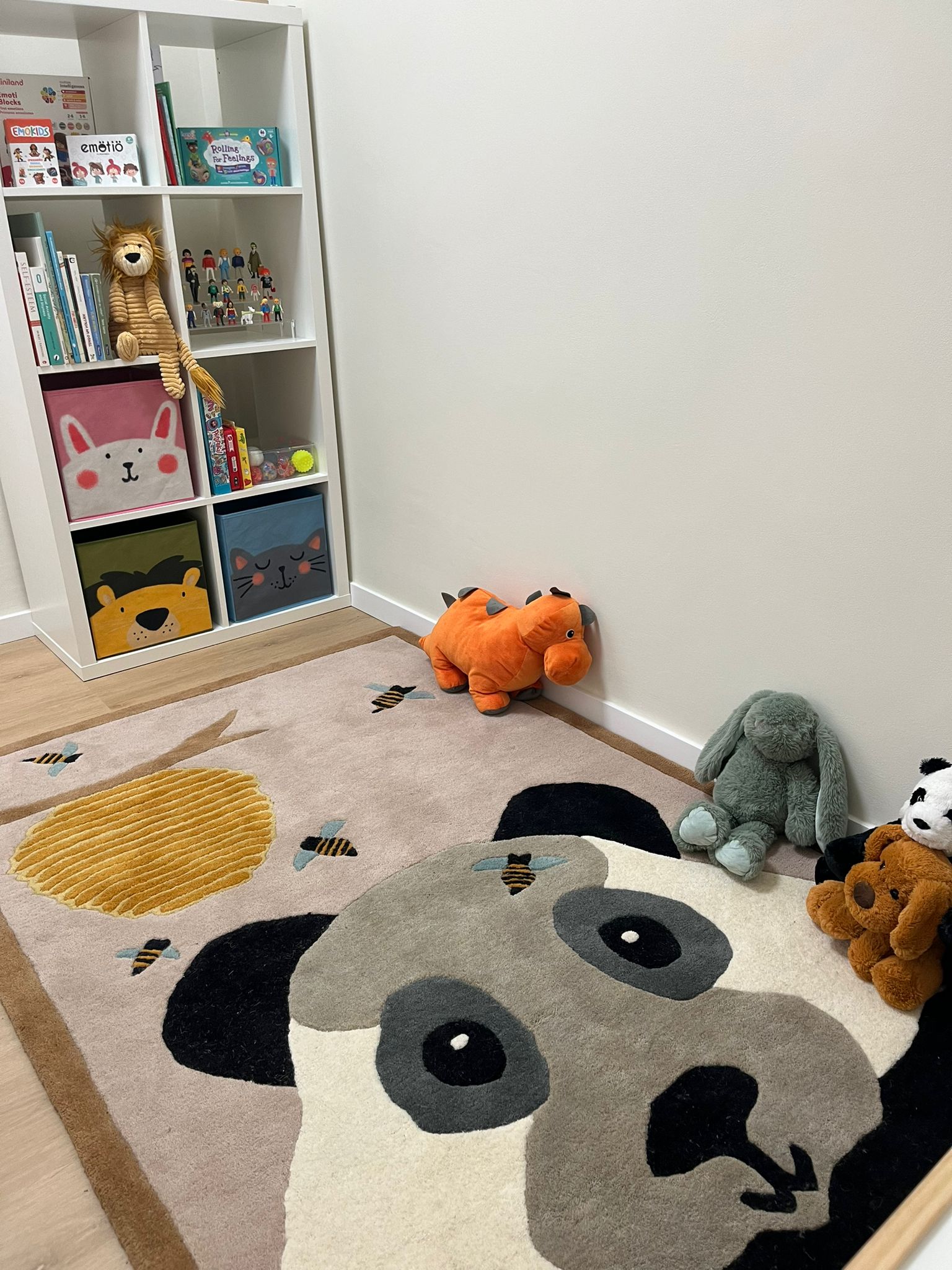
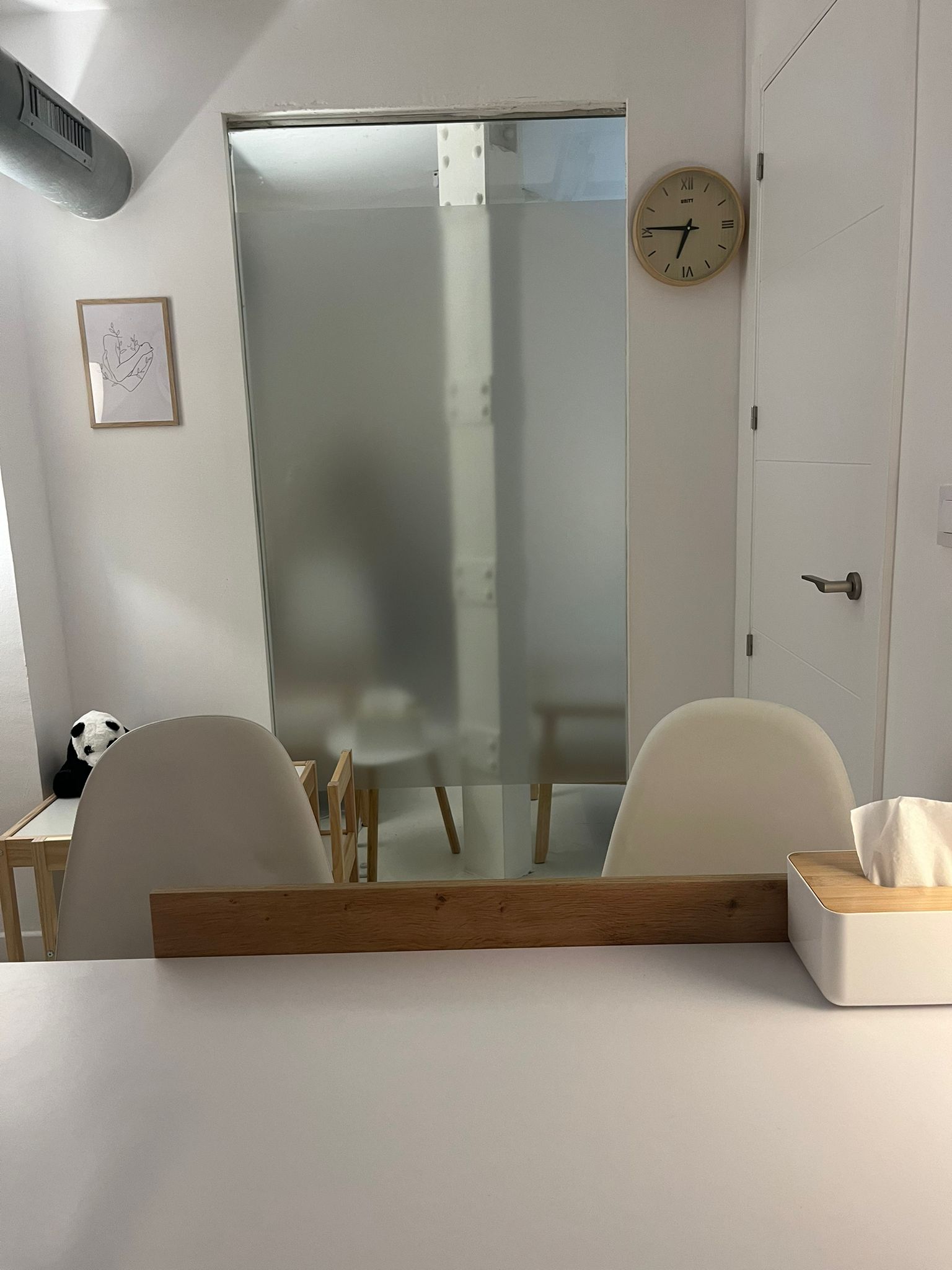
In-person sessions are available in Valencia and Puzol, in warm and carefully designed spaces so your child does not feel they are entering a cold or medical environment. Online sessions are also available when the family needs them.

Child therapy room at Cristina Mata Psychology
Therapy room shelf detail
Child psychology clinic detail
Consultation space for families

Locations and format

Valencia · Puzol · Online

In-person sessions in Valencia and Puzol, plus online sessions when this is the best fit for the family.

ValenciaAvenida Reino de Valencia, 20
PuzolCarrer Joan Fuster, 8
Request information Online available
Warm corner of the clinic
Child therapeutic work area
Decorative detail in the consultation room

The first session
is just to
get to know each other.

Your child does not work on anything in the first session. They simply get to know the space and Cristina. And you get a space to tell me what is going on · without having to arrive with everything perfectly organized.

The first session is just an introduction

Your child gets to know the space and feels safe. Nothing more. The work begins afterwards.

I reply in less than 24 hours

You will receive a quick reply to discuss availability, format, and any questions you may have.

Parental guidance included

Parents are part of the process · with no additional cost in follow-up sessions with you.

Full confidentiality

What we work on stays here. Trust is the foundation of everything we build.

Tell me about your child

It does not need to be organized and you do not need to know exactly what is happening. Just tell me what you are experiencing at home.

I reply in less than 24 hours · Full confidentiality

Thank you for writing to me.

I have received your message. I will reply in less than 24 hours to talk about availability and how we can begin.

Writing is a huge step. Your child is lucky to have you.

Escribe aquí tu párrafo